Yara Coleman · 1 November 2026
Connecting Environmental Sensor Networks to School Curriculum Updates and Park Festival Programming in Oaklyn
Environmental monitoring stations across Oaklyn have collected continuous readings on water quality, air particulates, and soil conditions since the early 2010s, and local education officials began incorporating those datasets into science lessons starting in 2022. Researchers at regional universities noted that real-time sensor feeds from the Newton Creek watershed allowed teachers to adjust lesson plans on ecology and climate patterns with current local measurements rather than generalized textbook examples.
Environmental Monitoring Infrastructure
Oaklyn maintains twelve fixed sensor arrays that track dissolved oxygen levels in streams, particulate matter concentrations, and temperature fluctuations throughout the year, with data transmitted hourly to a central municipal database. The New Jersey Department of Environmental Protection cross-references these readings with broader state networks, while similar programs in the European Union have demonstrated how granular local data supports targeted habitat restoration projects. Figures from the arrays show seasonal spikes in runoff after heavy rainfall events, which educators then map against historical records to illustrate watershed dynamics.
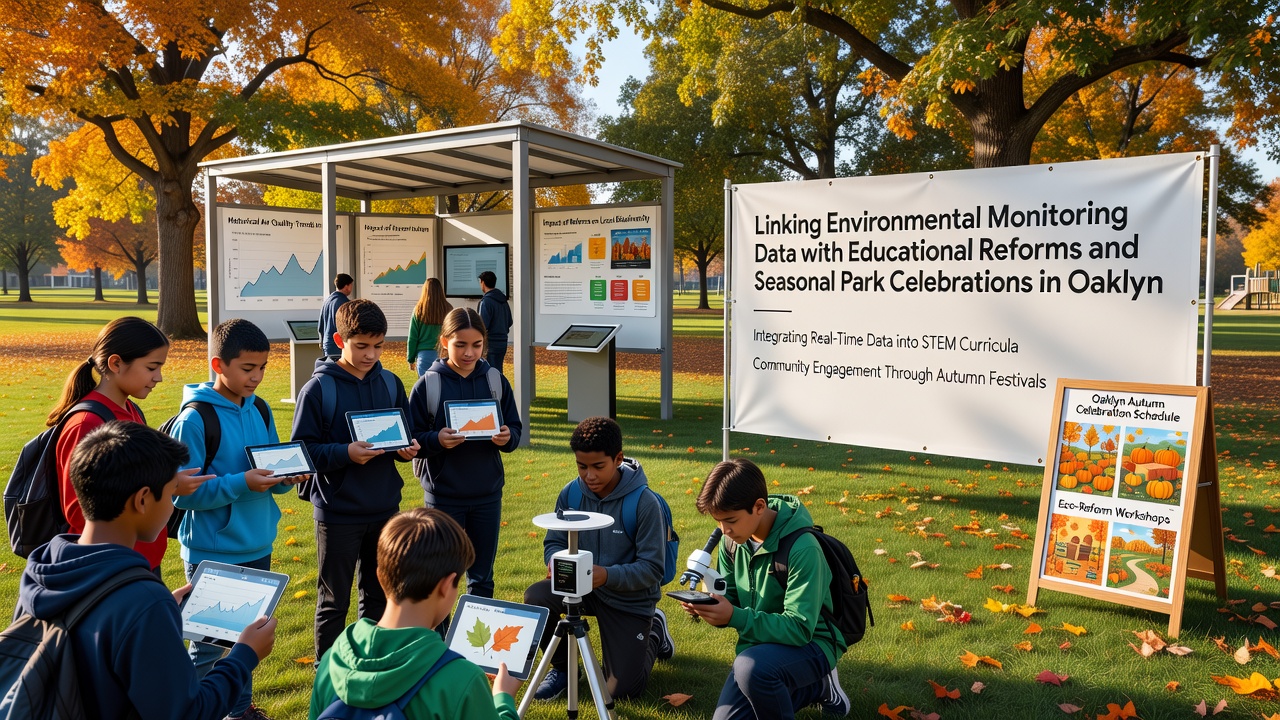
School administrators revised several middle-school modules in 2024 to include weekly downloads from the municipal database, allowing students to calculate trends in nitrate concentrations and compare them against state thresholds. One program at Oaklyn Middle School pairs sensor outputs with student-led sampling sessions along park trails, creating direct links between field observations and classroom analysis.
Educational Reforms Tied to Data Streams
Curriculum coordinators integrated these datasets into existing earth science requirements after reviewing pilot results from the 2023-2024 academic year, where classes using live feeds showed improved performance on standardized questions about local ecosystems. Teachers now assign projects that require students to interpret graphs of seasonal dissolved oxygen changes and propose explanations grounded in the numbers. State education reports indicate that districts adopting similar sensor-to-classroom pipelines recorded measurable gains in student engagement metrics during the same period.
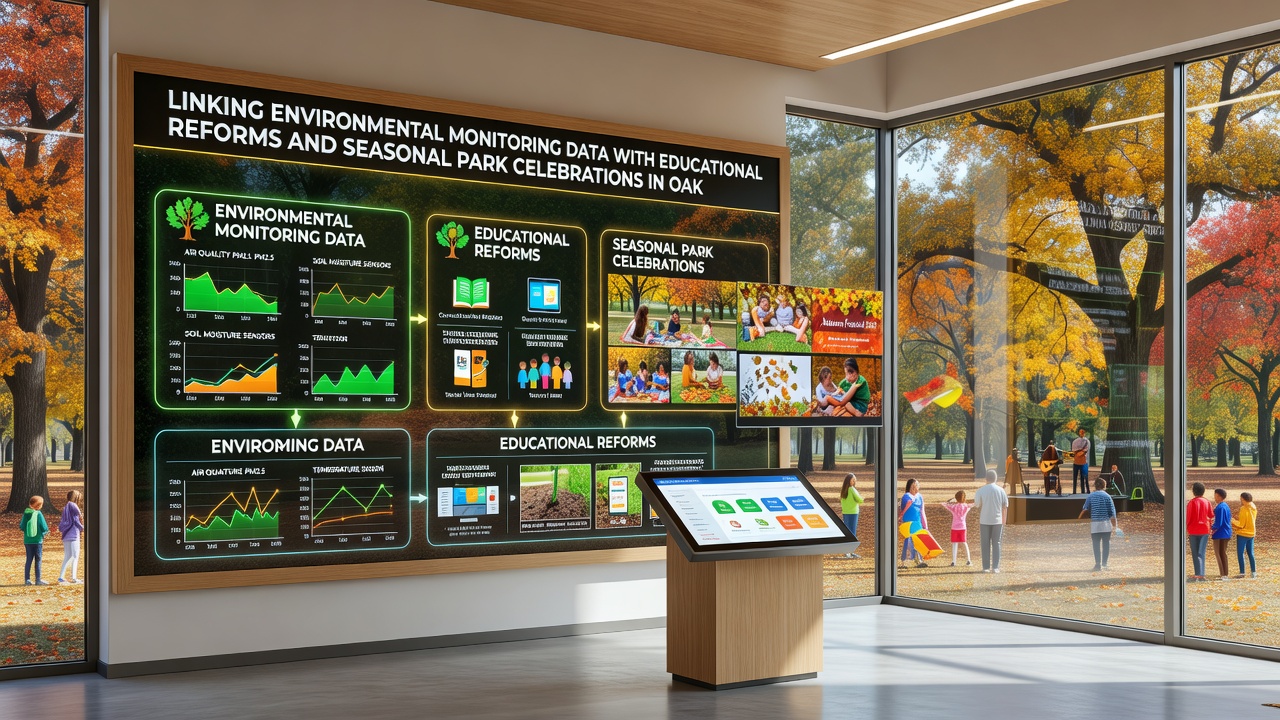
Reforms also extended to professional development sessions where instructors learn to query the open data portal maintained by the borough. Training materials emphasize cross-referencing Oaklyn readings with national archives from the U.S. Geological Survey, giving educators multiple reference points when designing units on water cycles and pollution sources.
Seasonal Park Celebrations and Data Integration
Park event organizers began featuring live sensor dashboards at annual gatherings after 2023, when the Oaklyn Autumn Festival incorporated a dedicated station displaying current creek conditions alongside interpretive panels. November 2026 events are scheduled to expand this approach with interactive kiosks that let visitors query historical trends from the previous decade and view projections based on current monitoring patterns. Attendance records from prior festivals show increased participation when organizers added these elements, though exact figures for 2026 remain pending final reports.
Event planners coordinate with school groups so that student projects developed from the monitoring data appear as exhibits during the celebrations. Displays at the November gatherings typically highlight correlations between rainfall data and local biodiversity counts collected through citizen science efforts coordinated by the parks department.
November 2026 Programming Details
Preparations for the 2026 seasonal events include updated sensor installations near the main festival grounds to provide near-real-time readings during the multi-day program. Organizers have arranged joint sessions where students present analysis of fall temperature anomalies drawn from the arrays, while park staff demonstrate how those same readings inform maintenance schedules for trails and green spaces. A second external reference comes from Environment and Climate Change Canada, whose public datasets on comparable temperate watersheds supply additional context for Oaklyn-specific interpretations during these presentations.
Conclusion
The connections between Oaklyn's sensor network, school curriculum adjustments, and park celebration programming continue to evolve through routine data sharing and coordinated planning sessions among borough departments. Records maintained by the environmental monitoring program provide the factual foundation for both classroom activities and public events scheduled through late 2026.